An Inside Look at Our Residential Anxiety Treatment Program
Anxiety disorders are treatable, but treatment works differently for everyone. If you’ve reached a point where your daily life is dictated by avoidance, panic, or worry, it may be time to consider residential care.
Steele Creek Wellness Center’s inpatient anxiety treatment program is designed to deliver that level of care. You’ll live at our Jonesboro facility for the duration of the program, fully separated from the environments and routines that keep reinforcing your symptoms. Each day in our program provides constant clinical support in a treatment plan built around your unique experiences with anxiety.
Our Therapeutic Approaches
At Steele Creek Wellness Center, we build treatment plans that are both comprehensive and completely personalized. That means we’ll find a combination of therapeutic approaches that works best for you, based on what your intake assessment shows about your anxiety and what you’re hoping to achieve during your stay.
Evidence-Based Treatment
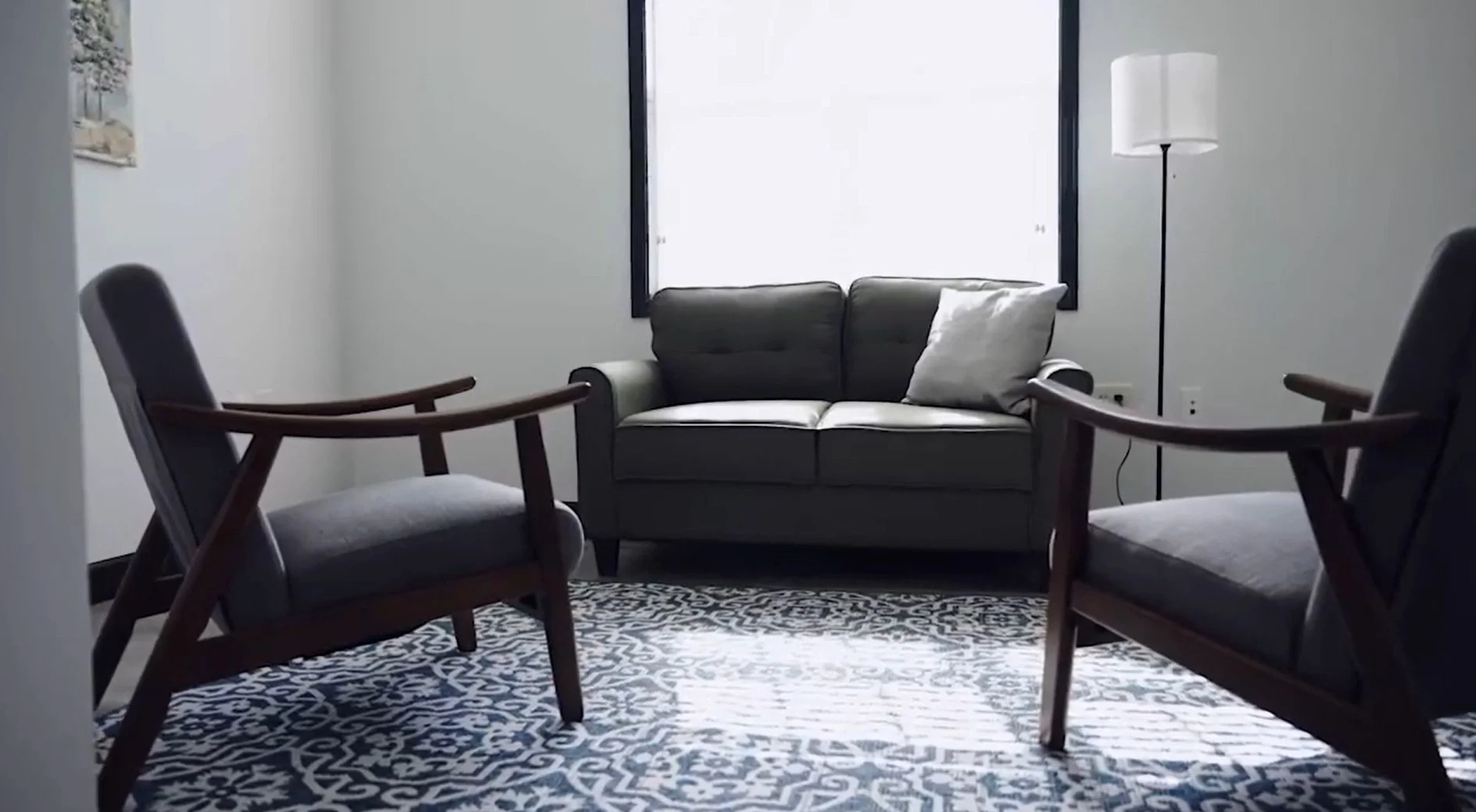
- Cognitive Behavioral Therapy (CBT): CBT helps you identify the thought patterns that fuel anxiety and gives you concrete tools to interrupt them. It often includes structured exposure work, so you can approach feared situations gradually instead of avoiding them.
- Dialectical Behavioral Therapy (DBT): DBT builds skills in distress tolerance and emotional regulation, useful when anxiety symptoms are intense or when they’re paired with difficulty managing strong emotions.
- Acceptance and Commitment Therapy (ACT): ACT focuses on your relationship to anxious thoughts rather than trying to eliminate them outright. It builds your capacity to act according to your values, even when anxiety is present.
Holistic Care
Anxiety affects the body as much as the mind. Alongside talk therapy, your plan may include:
- Red light therapy, which uses wavelengths of red and near-infrared light to support mood regulation
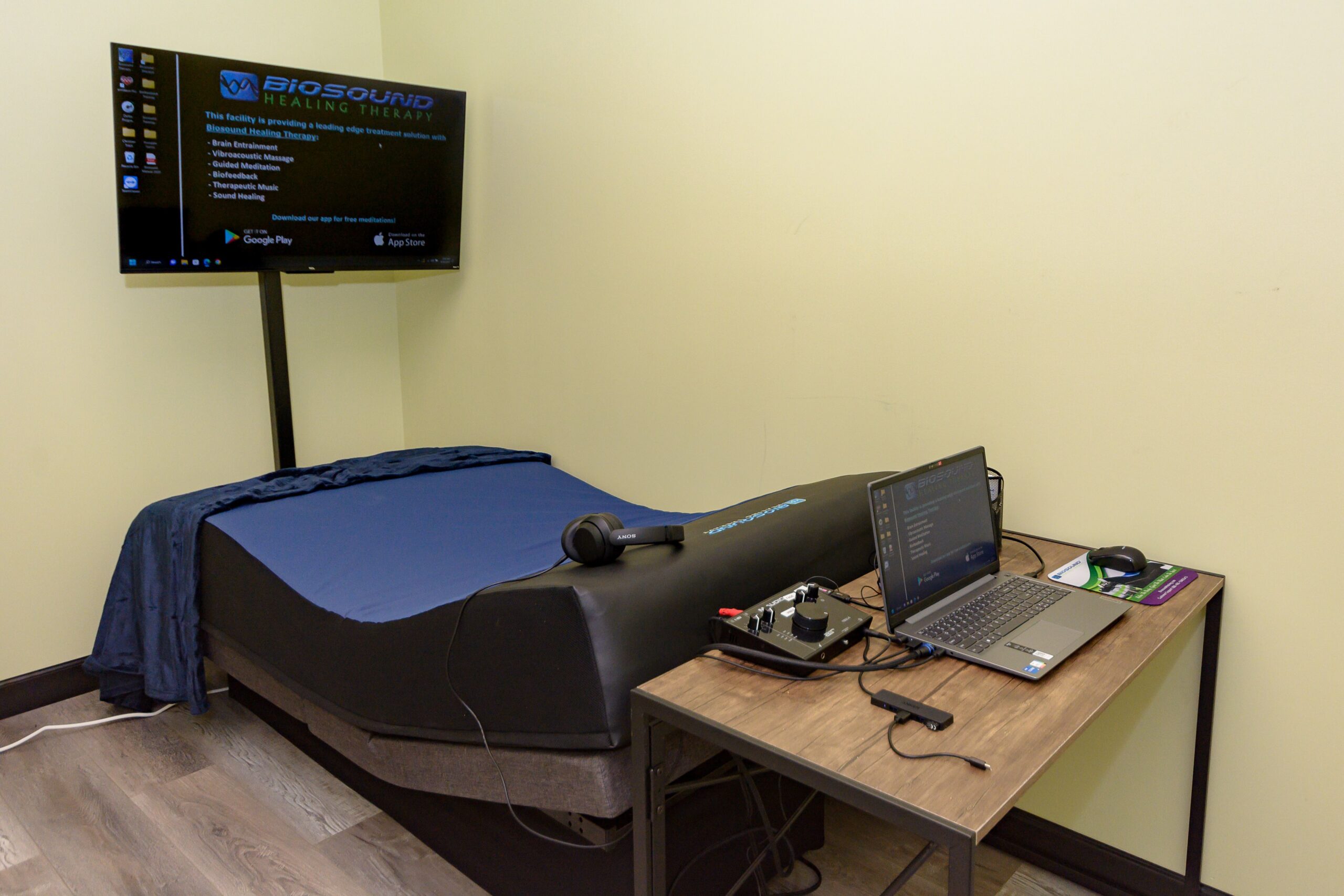
- Biosound therapy, using vibrational sound and guided imagery to help calm the nervous system
- Sound healing and music therapy, offering additional ways to regulate and process outside of a traditional therapy session
- Recreational activities, including outdoor games and exercise, to fill your free time with enjoyable activities

Medication Therapy
Medication can play a role in anxiety treatment, though it isn’t the right fit for everyone. If medication may help with your symptoms, our clinical team will recommend it and monitor your response closely and adjust your prescription as needed throughout treatment. Because you live on-site during treatment, these adjustments happen through ongoing observation rather than infrequent check-ins.
Medication is never treated as a standalone solution. When it’s part of your plan, it works alongside therapy and holistic care, which are the fundamental aspects of our approach. Before you leave our program, our team also puts a plan in place for how any medication will be managed after discharge.
Residential Treatment for Anxiety of All Types
Generalized Anxiety Disorder
Generalized anxiety disorder involves persistent, excessive worry about everyday things, like work, health, finances, and relationships. The worry is often hard to control and isn’t always tied to a specific trigger. Generalized anxiety disorder can also carry physical symptoms, such as muscle tension, fatigue, or trouble sleeping.
Because the worry isn’t anchored to one problem, it can be difficult to address through short, solution-focused conversations alone. Residential treatment gives you the time and structure to work through the underlying patterns behind the symptoms.
Panic Disorder
Panic disorder involves recurring, unexpected panic attacks, which are sudden episodes of intense fear paired with physical symptoms like a racing heart or chest tightness. Panic disorder tends to occur in a cyclical pattern due to a fear of the next attack. That anticipatory fear can lead to avoiding certain places or situations altogether.
Residential treatment addresses both panic attacks and their underlying causes, while also working through the avoidance that builds up around them.
Social Anxiety Disorder
Social anxiety disorder centers on an intense fear of judgment or embarrassment in social or performance situations. It can make everyday interactions, such as ordering food or answering the phone, feel disproportionately difficult.
Over time, avoiding these situations can narrow your world in ways that aren’t always obvious to the people around you. In an anxiety treatment center, you can step away from the social interactions that make you anxious and build connections with people who understand what you’re going through, including peers in recovery and our clinical team. Here, you can feel safe to practice coping mechanisms and social skills in a comfortable way, at your own pace.
Phobias
Phobias are intense fears tied to a specific object or situation. These fears vary widely, including everything from flying to needles to certain animals. The fear is disproportionate to the actual danger posed, and it can restrict daily functioning when it’s tied to something commonplace, like hearing thunder or driving a car.
Residential treatment introduces structured exposure, paced according to your comfort and readiness. This means you may learn to cope with your phobia by coming face-to-face with it in a safe environment.
Dual Diagnosis Treatment
Anxiety frequently shows up alongside depression, substance use, or other conditions. When that’s the case, treating anxiety on its own isn’t enough. Our team addresses co-occurring conditions together, in one coordinated care plan.
Why Choose Steele Creek Wellness Center
At Steele Creek Wellness Center, we provide residential treatment for anxiety that addresses both the symptoms you’re experiencing and the underlying factors contributing to them. Most importantly, we provide treatment around your exact experiences. That means we take the time to understand your specific situation, and we use that information to find the treatment options that will most benefit you.
Whether anxiety has recently become overwhelming or has been affecting your life for years, our team is here to help you discover how to move forward.

Signs Residential Anxiety Treatment May Be Right For You
Consider inpatient anxiety treatment if:

What Makes Us Different
Most residential anxiety treatment programs incorporate therapy, daily schedules, and medication management. What matters is how those elements are applied to your specific situation.
At Steele Creek Wellness Center, treatment is built around you, not your diagnosis. That personalization starts from the minute you call our facility. We’ll verify your insurance benefits to let you know exactly what’s covered, and we’ll answer any questions you have about your unique situation.
The therapeutic approach we use for you may combine a variety of evidence-based therapies with holistic options, depending on your initial needs and how you respond as treatment progresses. If you’re experiencing co-occurring conditions, our team coordinates care for all of it in one plan, so we address every aspect of your mental health.